

Botswana officially removed colonial-era laws that criminalized same-sex relations from their Penal Code.
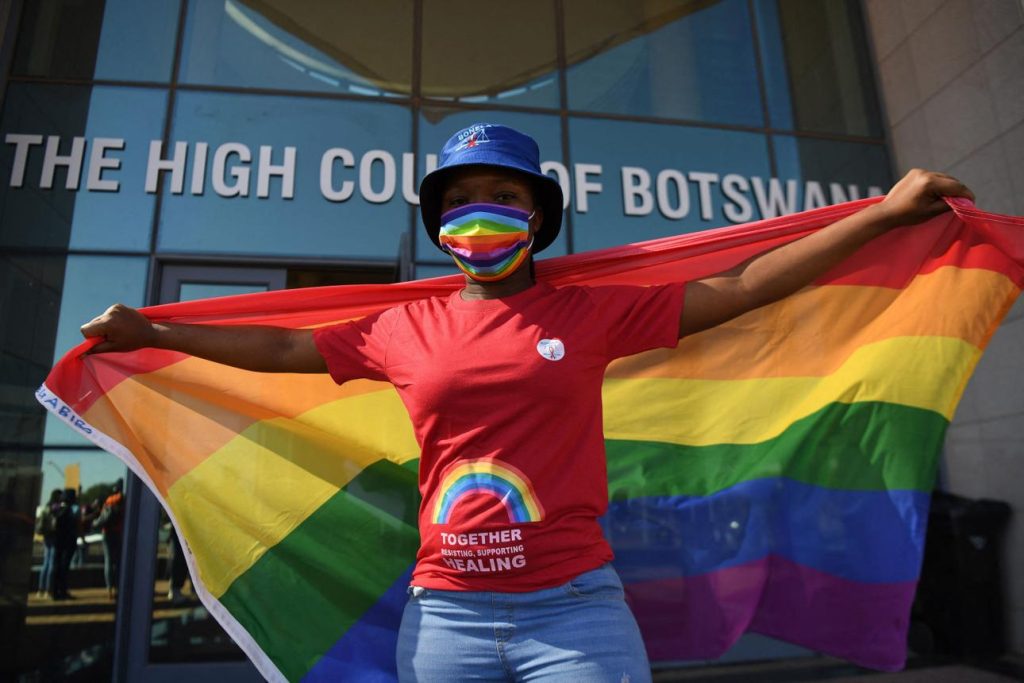
In 2019, Botswana made history. Its High Court struck down colonial-era provisions in the Penal Code that criminalized same-sex relations, laws inherited from 19th-century British rule.
For decades, these provisions, particularly Section 164 of their constitution treated consensual same-sex intimacy as “against the order of nature,” punishable by up to seven years in prison.
The Turning Point
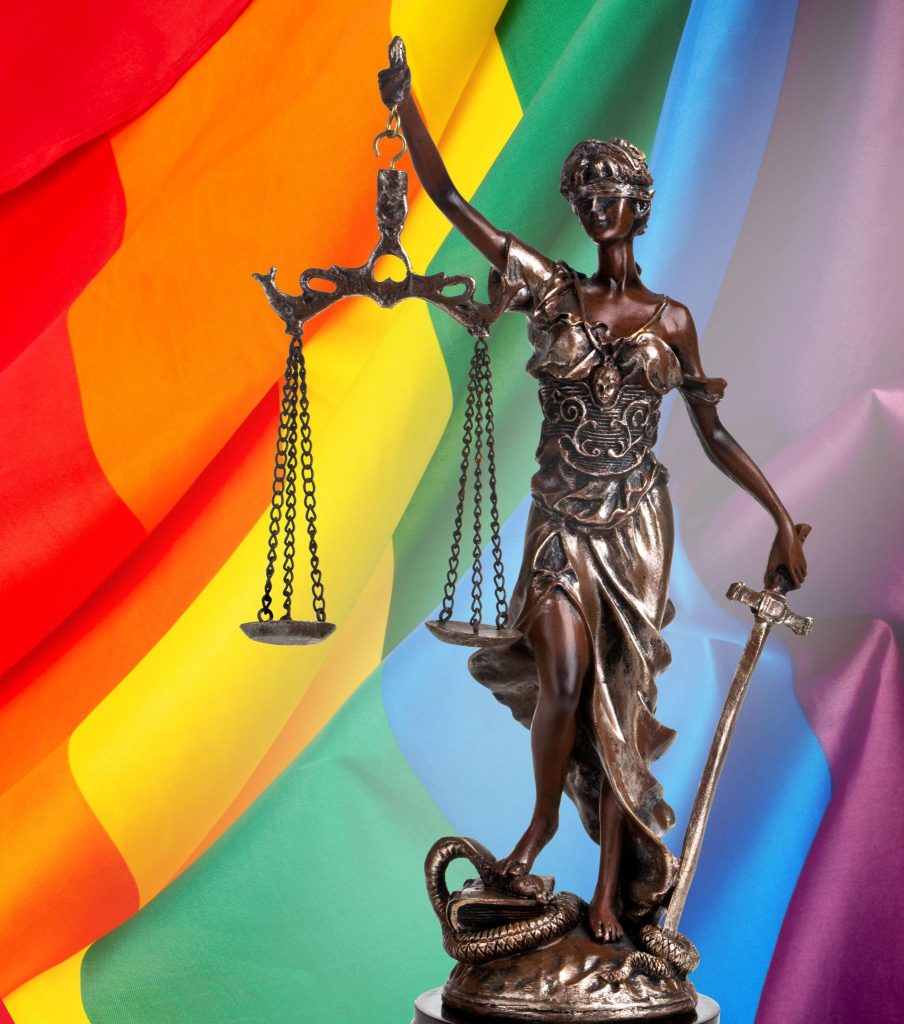
On June 11, 2019, the court declared those laws unconstitutional, affirming rights to dignity, privacy, and equality.
By 2021, the Court of Appeal upheld the ruling, closing the door on attempts to reinstate the ban.
Where Botswana Stands Today
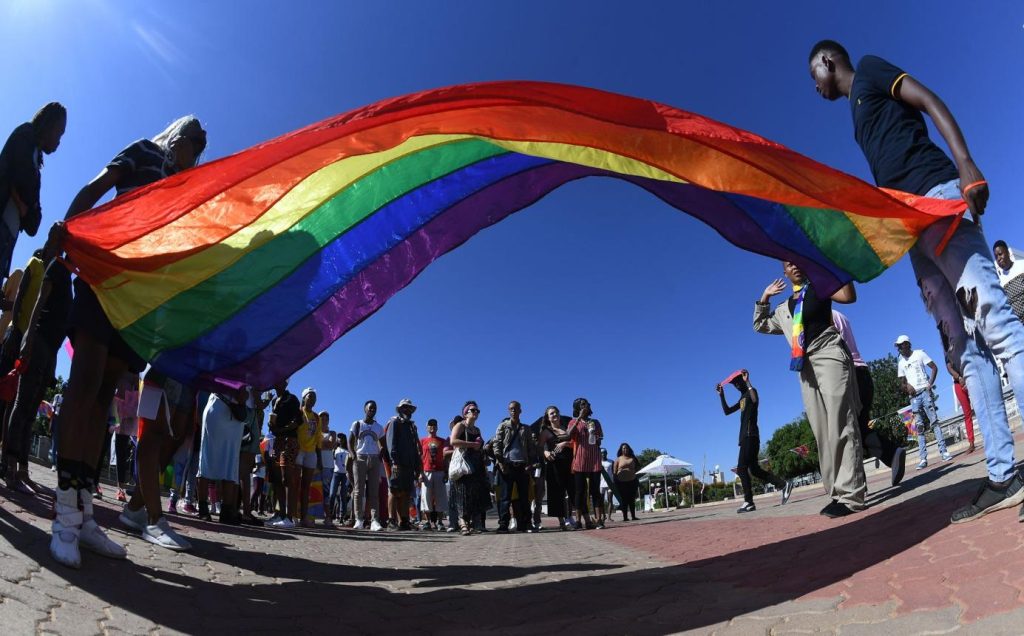
In 2026, Botswana went a step further, formally removing the invalidated provisions from its Penal Code, aligning written law with constitutional reality.
This isn’t just legal housekeeping. It’s symbolic: a full break from colonial legislation and a signal that African legal systems can evolve on their own terms.
Botswana now stands among a growing number of African countries redefining rights through the courts, proving that change doesn’t always begin in parliament, but can be forced through persistence, litigation, and lived realities.
From colonial control to constitutional clarity, Botswana didn’t just repeal a law, it rewrote a narrative.
A Call Beyond Botswana
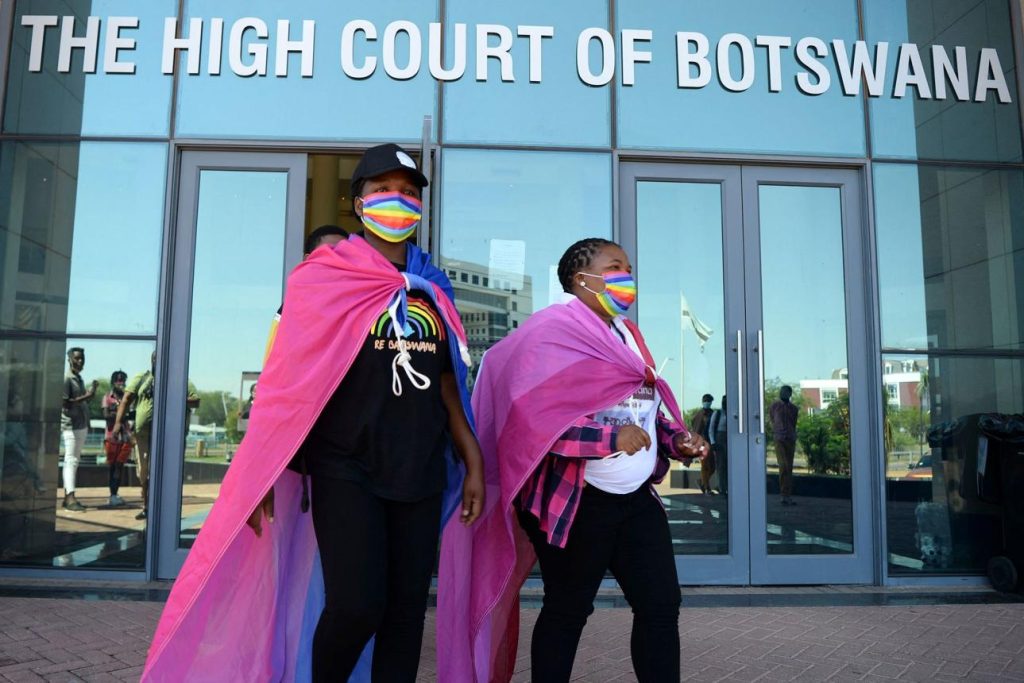
Botswana’s progress is not happening in isolation. Countries like Mozambique, Angola, and Gabon have also taken steps to repeal or move away from colonial-era laws that criminalized same-sex relationships, signaling a gradual but undeniable shift across parts of the continent.
But many nations, including Nigeria still enforce or even expand such laws, often rooted in the same colonial frameworks rather than indigenous African values. This moment calls for reflection and courage. If Botswana can confront its past and rewrite its future, so can others.
The question is no longer if change is possible, it’s who will choose to lead it next.
